
computer science GCSE Revision
A good algorithm should be, 1. accurate; 2. repeatable 3. understandable. So, if you think of Oxford Revise as an algorithm….
1. Accurate; it solves the problem of how to develop a positive and successful approach to revision. You’d don’t know how to start revising? You’ve come to the right place. The advice you’ll find here paired with an Oxford Revise revision guide, gives you everything you need to get started!
2. Repeatable; repeat and follow the three simple-steps of knowledge, retrieval and practice and you’ll be able to lock-away all the knowledge and skills you need, ready to use in your exams.
3. Understandable; all of the support has been developed by experts who really know what they’re talking about and are experienced in sharing that with GCSE students.
2026-2027 Exam dates
Monday, 10 May 2027, AM: Paper 1
Wednesday, 19 May 2027, PM: Paper 2
GCSE results day
| GCSE results published |
| Thursday 20th August 2026 |
| Thursday 19th August 2027 |
| Thursday 19th August 2028 |
| Thursday 23rd August 2029 |
| Thursday 22nd August 2030 |
Useful links
Revision resources

How to revise effectively
Find out more about how to revise effectively with Oxford Revise and our simple approach to revision success.
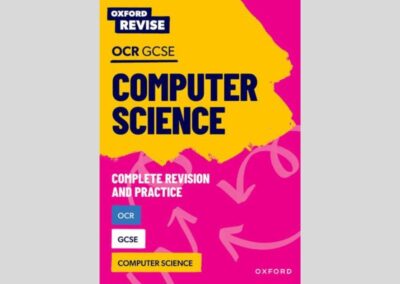
Computer Science revision guides
What are people saying about Oxford Revise?
“Oxford books have always been one of my go to for revision books. This one is just as good as others I have used. It is easy to understand and split into bite size (no pun intended!) sections to help with revision / practice / exam tips.
5* Amazon review
“This book is well-organized, with coloured sections that make it easy to navigate and work through.”
4* Amazon review
“It’s very good – I like it a lot. Lots of questions, answers, definitions – very clear, concise and highly readable.”
Computer Science teacher
“Wonderful resource for your revision needs. My students and I like the approach to revise that this book offers. It has a different approach to others and supports many different students. I highly recommend this book to students or parents buying for their children.”
Computer Science Teacher
Revision and exam support

Command Words
Get to know your command words. Using them helps guides your response to a specific exam question, and they also clarify what examiners are looking for in an answer.

Practising past papers
Getting familiar with the exam format, question styles and timings, increases exam confidence. Practising past papres also highlights areas for improvement, helping to focus your revision more effectively.

When should I start revising?
We’ve got lots of support for you on how to build a revision plan that works however much time you’ve got. Check out how that pesky forgetting curve works, and how you can combat it with a stellar plan. Spoiler alert: it’s Knowledge, Retrieval, Practice.
How does Oxford Revise support your Computer Science GCSE revision?
We offer a wealth of experience in supporting students for OCR Computer Science GCSE exams. Let’s look at the three steps in more detail:
- Knowledge organisers: Every OCR GCSE Computer Science topic has been summarised within clear knowledge organisers. These show you how ideas within topics build from each other and how they link to different topics.
- Retrieval practice: Repeatedly using these quick-recall questions, move knowledge from your short- to your long-term memory. They’re easy to use on your own or you can work with a partner and test each other.
- Practice questions: The last step is to apply what you’ve learned to exam-style questions and there are 100s of these available to you. Not only will you become familiar with the common exam question formats, you can scan the QR codes and check your answers.